"Experience is the best teacher."
In Less than a 100 words: Costly Lesson from Route 90
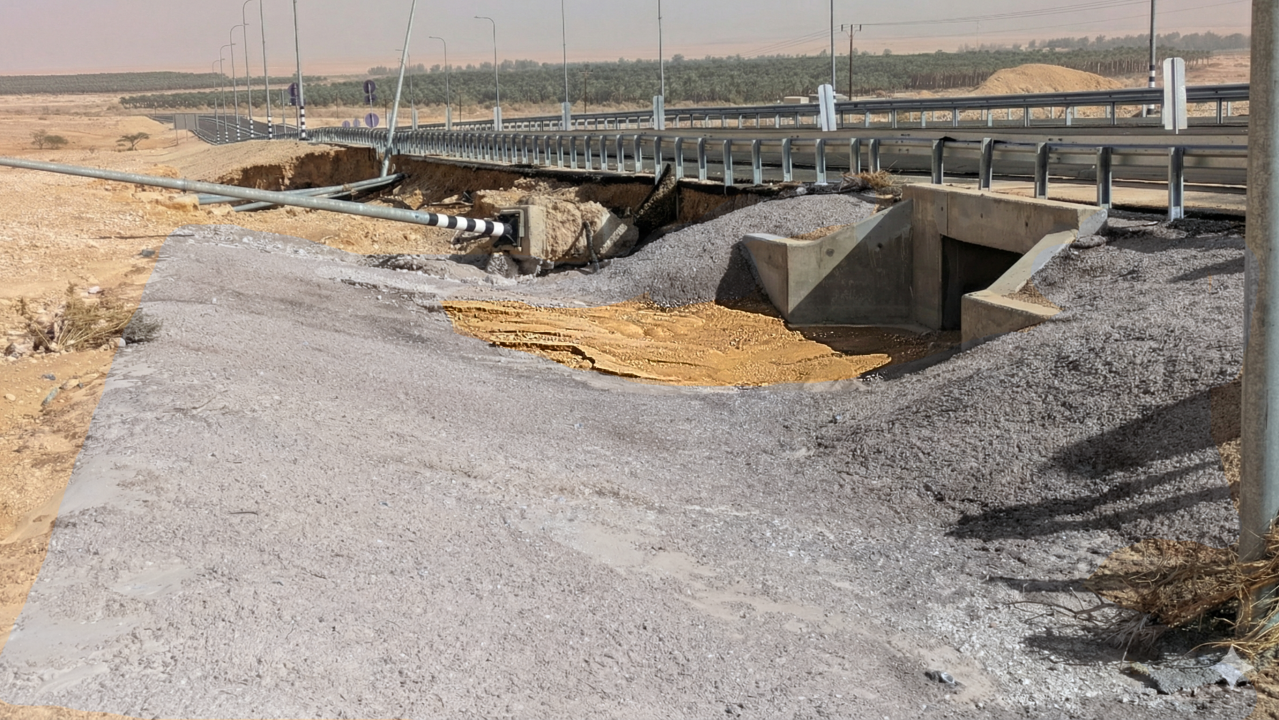
A decision to save money by not completing drainage canals on Israel's Route 90 led to a critical failure during a recent storm. Where the canal was built, there was zero damage. Where construction stopped, massive erosion destroyed lighting poles and guardrails. The cost of repairing this damage now significantly exceeds the budget originally "saved." This incident underscores that proper, first-time construction is not just a safety measure but a financial necessity, proving that the most expensive infrastructure is the kind you have to build twice.
In the construction and infrastructure world, we often face immense pressure to cut costs. Value engineering is a vital part of our industry, but there is a fine line between efficiency and risk. A recent event on Route 90 in the Arava region drew that line clearly.
The Scenario
In an effort to reduce project expenses, the construction of planned drainage canals along Route 90 was halted before completion. The logic was simple: save money in the short term.
The Test
Nature, however, does not negotiate with budgets. Last week, a severe storm hit southern Israel, bringing heavy water flow and significant erosion that immediately tested the roadway's defenses.
The Evidence
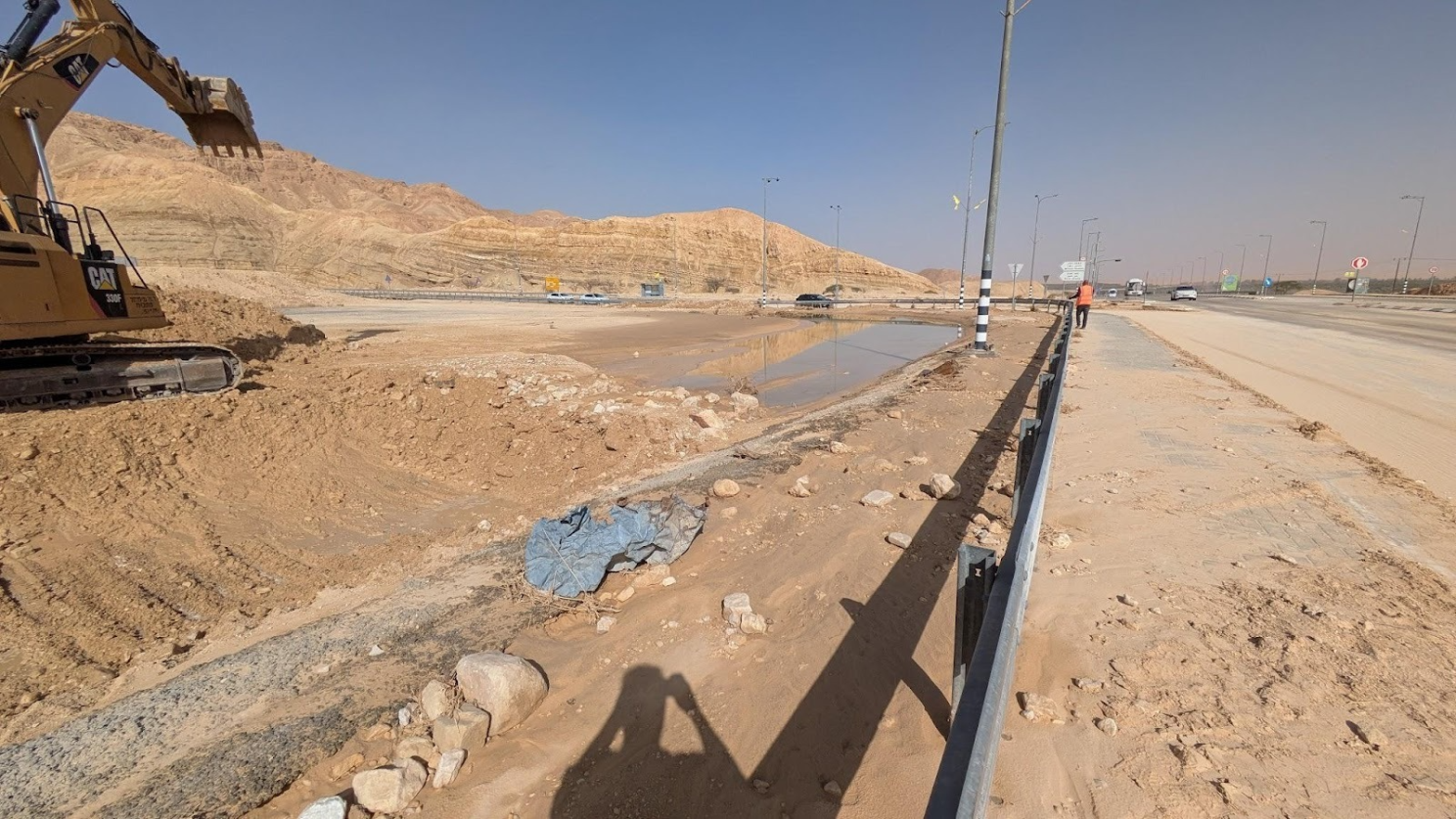
The aftermath presents a stark, real-world case study:
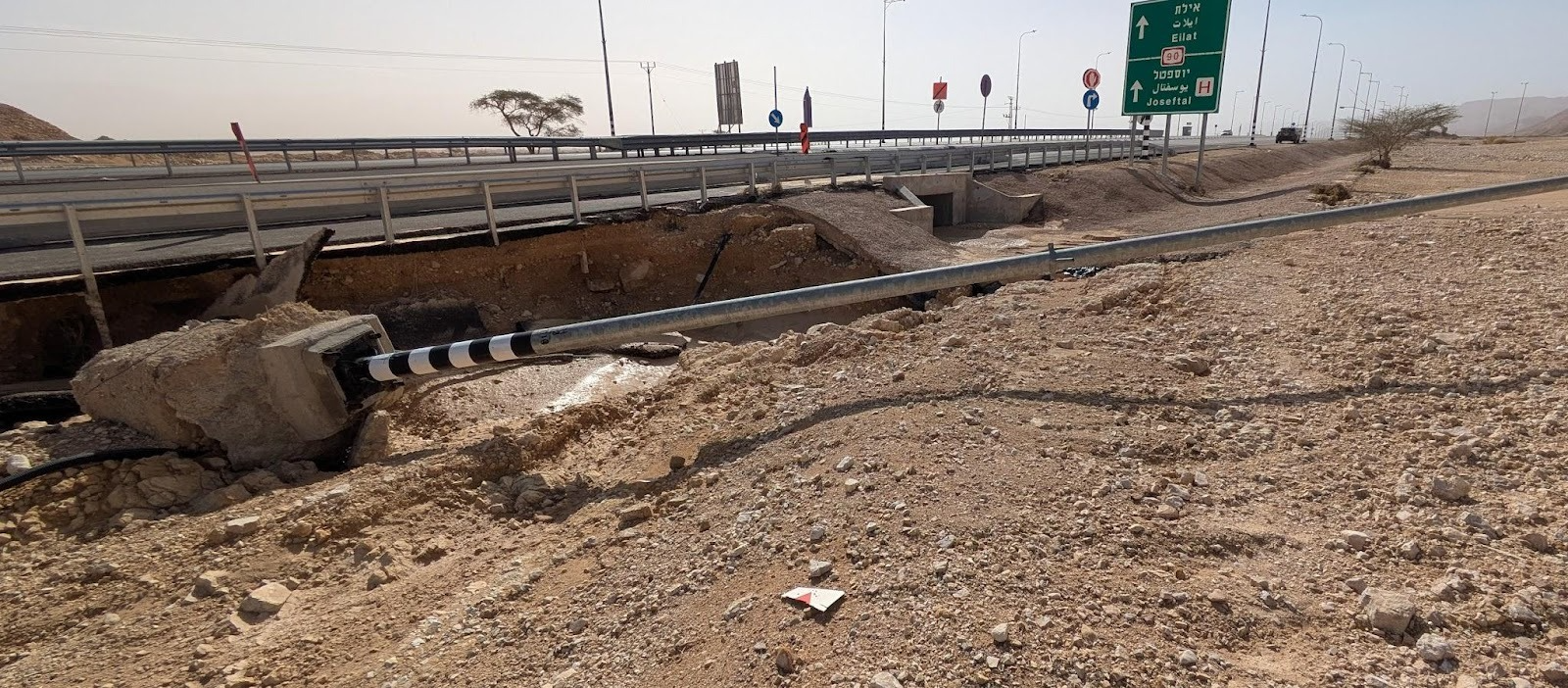
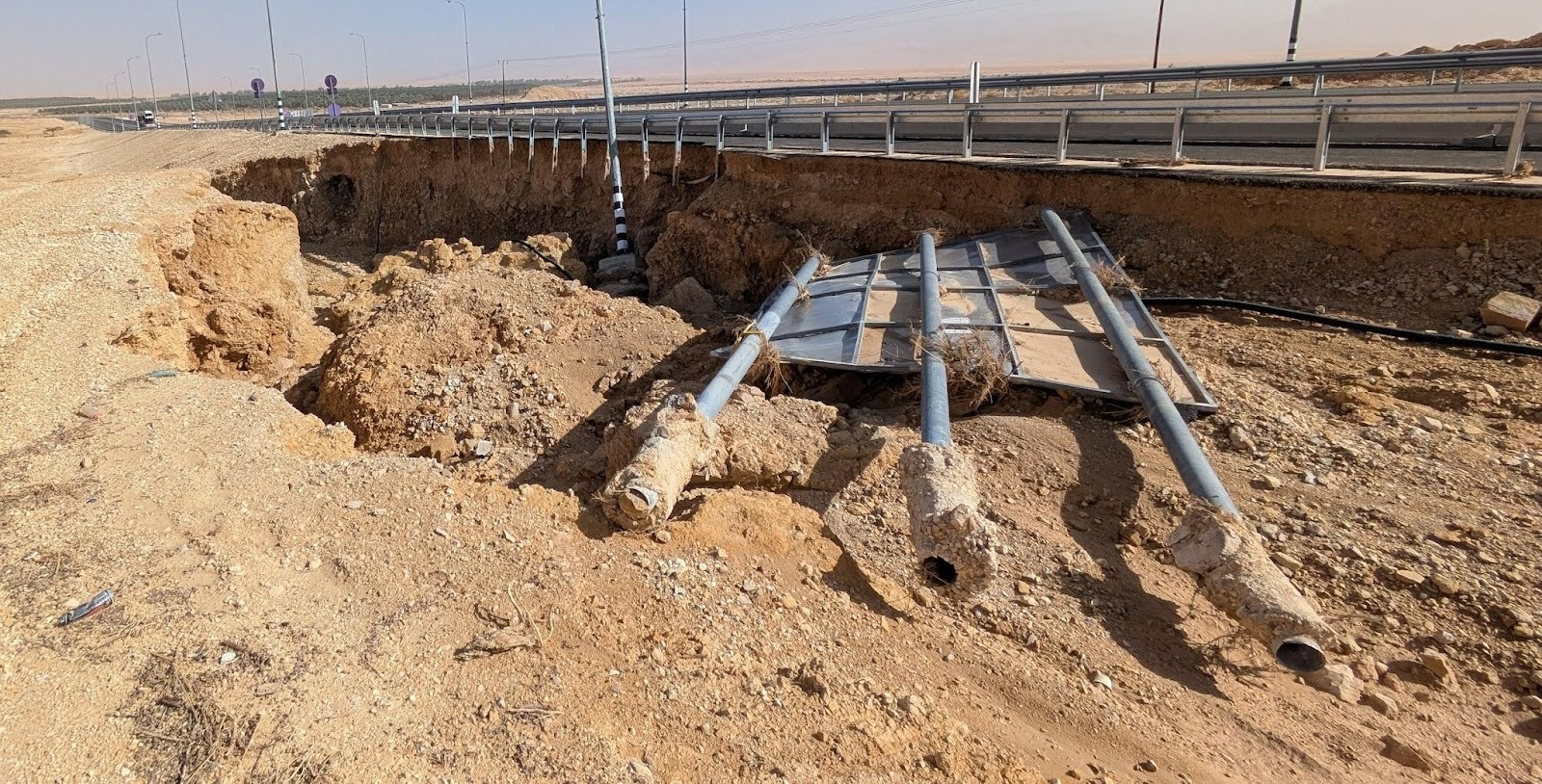
- ✅ Where the canal existed: There was absolutely zero damage. The infrastructure held perfectly, and the system worked as designed.
- ❌ Where the canal ended: The protection vanished. Massive damage is visible in these unprotected zones, with lighting poles and safety guardrails destroyed by the uncontrolled flow.
The Maintenance Advantage
In another part of the road, we observed a ditch that had been completely filled with sediment during the storm. Yet, because the concrete protection created with the Retem system was in place, this wasn't a crisis—it was just a cleanup job. The ditch was cleared the very next day with no problems, restoring full flow immediately.
The Hard Truth
The cost to repair these damages will now significantly exceed the budget originally "saved" by not building the canals.
Our Perspective
At Retem Steel, we are sharing this insight because we believe knowledge is the best tool for prevention. This isn't just about safety—it is a financial imperative. The most expensive infrastructure is the kind you have to build twice.
Let's commit to building it right the first time.
#Infrastructure #CivilEngineering #ErosionControl #RetemSteel #ConstructionManagement #PublicSafety #Resilience